

In 2026, preferred equity is quietly filling the capital gap by offering a flexible, sophisticated alternative to traditional financing. You’ll find it balancing risk and reward, providing downside protection while still allowing participation in upside potential. Its growing use in real estate and infrastructure projects helps bridge funding gaps, especially as markets demand more adaptable structures. If you keep exploring, you’ll discover how this evolving tool continues to shape smarter investment strategies.
Key Takeaways
- Preferred equity offers a flexible, senior capital option that fills funding gaps amid challenges in traditional financing markets.
- It provides risk mitigation features like downside protection and preferred returns, attracting investors seeking stable income.
- Its adaptable structures and contractual provisions cater to diverse project needs and evolving market conditions.
- Increasing regulatory standards enhance transparency, making preferred equity a more reliable and mainstream investment component.
- The trend toward integration into capital stacks reflects preferred equity’s growing role in risk management and upside participation in 2026.

Have you ever wondered how preferred equity will evolve by 2026? It’s a question that’s gaining traction among investors and developers alike, especially as traditional financing options face increasing challenges. Preferred equity has quietly become an essential tool in filling the capital gap, offering a strategic balance between risk and reward. As the real estate and infrastructure markets become more complex, preferred equity provides a flexible alternative that can address both the need for risk mitigation and the desire for attractive investor returns. You’ll find that this form of capital is increasingly favored because it allows investors to participate in upside potential while maintaining a layer of protection against downside risks.
In 2026, preferred equity is set to evolve into a more sophisticated instrument. Its ability to bridge the gap between debt and equity makes it particularly appealing in volatile markets. You’ll notice that investors are drawn to the fact that preferred equity typically ranks senior to common equity in the capital stack, which helps mitigate risks associated with project failure or market downturns. This positioning provides a cushion that enhances risk mitigation, giving you peace of mind that your investment is protected, even in challenging environments. At the same time, preferred equity structures often include features like preferred returns, which ensure you receive a steady income stream before common equity holders see any profits. This arrangement aligns your interests with project success, increasing the likelihood of consistent investor returns. Additionally, the increasing use of project-specific financing structures demonstrates how preferred equity is becoming more adaptable to different market conditions and investment strategies. As the market continues to evolve, so too does the importance of regulatory standards, which are helping to shape a more transparent and reliable investment landscape.
As the market matures, you’ll also see an emphasis on structuring preferred equity to optimize investor returns. Developers and sponsors are increasingly offering tailored terms—such as adjustable preferred returns or conversion options—to attract capital without overly diluting their ownership. This evolution allows you to participate more actively in upside potential, while still enjoying downside protection. The incorporation of flexible contractual provisions further emphasizes how preferred equity can be customized to meet diverse investment goals. The flexibility of preferred equity also enables you to customize risk mitigation strategies, whether through contractual provisions or structural features, making it a versatile tool for different investment goals. Furthermore, as transparency and regulatory standards improve, preferred equity is expected to become even more standardized, providing greater clarity and confidence for investors. As a result, preferred equity is no longer just a niche product but a mainstream component of many capital stacks.
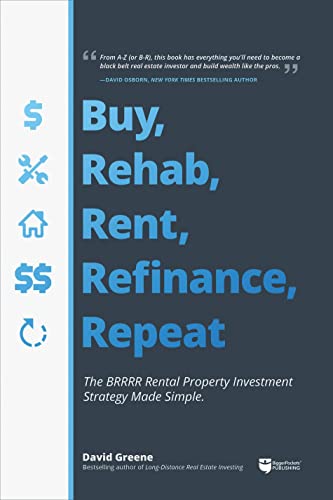
Buy, Rehab, Rent, Refinance, Repeat: The BRRRR Rental Property Investment Strategy Made Simple
As an affiliate, we earn on qualifying purchases.
As an affiliate, we earn on qualifying purchases.
Frequently Asked Questions
How Does Preferred Equity Differ From Common Equity?
Preferred equity differs from common equity in its place in the equity hierarchy and preferred structure. As a preferred investor, you get priority on dividends and assets during liquidation, making your position less risky. Common equity holders, on the other hand, have voting rights and potential for higher returns but face more risk. Your preferred structure means you’re paid first, providing more stability compared to the variable returns of common equity.
What Risks Are Associated With Preferred Equity Investments?
You should know about preferred equity risks, especially since it’s often overlooked, with about 60% of investors unaware of potential pitfalls. The main risks involve market volatility and risk assessment challenges, which can impact returns if the market takes a downturn. You might face lower priority during liquidation, and dividend payments aren’t always guaranteed, so understanding these risks helps you make smarter investment choices.
Who Are the Primary Investors in Preferred Equity?
You’ll find that the primary investors in preferred equity include institutional investors, such as pension funds and insurance companies, along with high-net-worth individuals. These investor profiles are attracted by the steady income stream and priority over common equity. Market trends show increasing interest from these groups as they seek alternative, less risky investments amid fluctuating markets. Their involvement helps fill the capital gap quietly, supporting growth while balancing risk.
How Does Preferred Equity Impact Overall Project Financing?
Preferred equity influences overall project financing by providing an additional capital layer that balances risk and return. Market trends show increased reliance on preferred equity, especially as regulatory changes make traditional debt harder to access. You benefit from this structure because it offers flexibility, reduces financing costs, and fills funding gaps, enabling projects to move forward smoothly despite fluctuating market conditions and evolving regulations.
What Are Typical Return Expectations for Preferred Equity Holders?
You typically see preferred equity holders expecting a fixed dividend, often around 6-10%, based on the dividend structure. These investors prioritize their capital, meaning they get paid before common equity holders in distributions. While the returns are generally lower than common equity, the priority in capital repayment and steady dividend payments make preferred equity an attractive, less risky option for those seeking predictable income in project financing.

The $100 Million YES: How to Close Your Real Estate Deal When Your Bank Said No.
As an affiliate, we earn on qualifying purchases.
As an affiliate, we earn on qualifying purchases.
Conclusion
As you navigate 2026’s shifting landscape, remember how the silent strength of preferred equity quietly steps in—much like the steady heartbeat beneath a bustling city. It fills the gaps others overlook, offering stability when the future feels uncertain. Stay attuned to these subtle shifts; they’re the whispers of resilience shaping tomorrow’s success. Embrace this quiet power, for in its steadiness lies the promise of a brighter, more secure horizon.

Convertible Securities: A Complete Guide to Investment and Corporate Financing Strategies
As an affiliate, we earn on qualifying purchases.
As an affiliate, we earn on qualifying purchases.

As an affiliate, we earn on qualifying purchases.