

Corporate carve-outs might seem simple at first, but the hidden costs often catch you off guard. Disentangling shared services, infrastructure, and intellectual property takes extensive effort, time, and money. These expenses can notably exceed initial estimates, eroding expected value and extending timelines. Without careful planning and a clear understanding of potential hurdles, you risk unexpected surprises. To navigate these challenges and uncover the full picture, continue exploring these essential aspects of carve-outs.
Key Takeaways
- Separation costs like legal, IT, and HR often exceed initial estimates, impacting overall carve-out profitability.
- Disentangling shared services and infrastructure can uncover hidden expenses previously overlooked.
- Asset valuation must account for all separation-related costs to prevent undervaluation or financial surprises.
- Complexities in disentangling operations can lead to unexpected delays and higher expenses.
- Proper upfront planning and risk assessment are essential to manage unforeseen separation costs effectively.

A corporate carve-out is a strategic move where a company separates a specific business unit or asset to operate independently, often to release value or streamline operations. While the idea sounds straightforward and appealing on paper, the reality is far more complex once the separation process begins. Much of the initial excitement can fade as you confront divestiture challenges that weren’t apparent during the planning phase. These challenges include disentangling shared services, intellectual property, contracts, and compliance obligations. Each step involves meticulous effort and precise coordination, which can quickly escalate costs and delay the intended benefits of the carve-out.
Carve-outs often seem simple but become complex with hidden costs and operational challenges.
One of the most critical issues you’ll face is asset valuation. Accurately valuing the separated entity is essential to guarantee you get a fair deal and to minimize surprises during the transaction. However, determining the true worth of the asset isn’t as simple as analyzing financial statements. You need to contemplate the standalone operational costs, potential liabilities, market conditions, and future growth prospects. If the asset valuation is off, it can lead to undervaluation or overvaluation, both of which create problems. Underestimating the value can result in leaving money on the table, while overestimating can scare off potential buyers or lead to unfavorable deal terms. Incorporating market conditions into your valuation process can help provide a more accurate picture of the asset’s worth.
Initially, the carve-out may seem clean. You might envision a smooth progression with minimal disruption. But once you start executing the separation, the hidden costs become apparent. Separation costs, or what some call “separation expenses,” include legal fees, IT system migrations, employee relocation costs, and the costs of establishing independent supply chains. These expenses often catch you off guard, especially if you didn’t fully account for the scope of the separation upfront. They can substantially erode the expected value of the carve-out and extend timelines, making the project more costly and complicated than initially projected. A comprehensive cost analysis can help forecast these expenses and prepare your team for potential financial hurdles.
Moreover, the process of disentangling the business from shared services and infrastructure can be a logistical nightmare. You’ll discover that many functions—finance, HR, IT—are deeply intertwined with the parent company. Extracting and restructuring these functions involve substantial effort, time, and money. This is why, despite the initial appearance of a clean separation, the reality often reveals a different picture. The costs associated with these adjustments may overshadow the benefits you expected from the carve-out, underscoring the importance of thorough planning and precise valuation from the start. Additionally, understanding the broader digital concepts involved can help anticipate some of the complexities that arise during separation, especially when disentangling shared IT systems and infrastructure. It’s crucial to recognize that cost management plays a significant role in the success of a carve-out, as unforeseen expenses can significantly impact overall profitability and strategic goals. Proper planning and risk assessment are essential to mitigate these unforeseen disentangling challenges and ensure a smoother transition.

Laplink PCmover Ultimate 11 – Migration of your Applications, Files and Settings from an Old PC to a New PC – Data Transfer Software – With Optional High Speed Ethernet Cable – 1 License
FAST AND EFFICIENT TRANSFER OPTIONS – Seamlessly migrate your PC with Laplink’s PCmover, featuring download instructions for PCmover…
As an affiliate, we earn on qualifying purchases.
As an affiliate, we earn on qualifying purchases.
Frequently Asked Questions
How Long Does a Typical Carve-Out Process Take?
A typical carve-out process usually takes between six months to a year, depending on complexity. You’ll need to focus on thorough financial valuation to determine the asset’s worth and guarantee stakeholder communication is clear throughout. Keep in mind, while the process may seem smooth initially, separation costs can quickly add up, so planning for unforeseen expenses and timelines helps prevent surprises and keeps your project on track.
What Are Common Challenges Faced During Separation?
Imagine peeling an orange—challenging yet rewarding. During separation, you often face hurdles like aligning cultures and realizing synergies. These challenges can delay integration and inflate costs, making it harder to achieve expected benefits. You might struggle with cultural integration, ensuring teams mesh well, or struggle to realize synergies quickly. Addressing these issues early can smooth the progression, but unforeseen costs and misaligned expectations often complicate the process.
How Do Carve-Outs Impact Employee Retention?
Carve-outs can negatively impact employee morale, making staff feel uncertain about the company’s future and their roles. This uncertainty often leads to talent loss, as valued employees seek stability elsewhere. You might see increased turnover and difficulty attracting new talent during the process. To minimize these effects, communicate transparently and provide support, ensuring employees feel valued and secure despite the upheaval.
What Are the Key Legal Considerations Involved?
You might worry about legal pitfalls, but addressing key issues like intellectual property and regulatory compliance is essential. You must guarantee that intellectual property rights are clearly assigned and protected during the carve-out process. Additionally, you need to navigate regulatory requirements to avoid fines or delays. By proactively managing these legal considerations, you safeguard your company’s assets and ensure a smooth separation, preventing costly legal disputes down the line.
How Can Companies Minimize Separation Costs?
To minimize separation costs, you should develop a solid divestiture strategy early, focusing on clear objectives and detailed planning. Conduct thorough asset valuation to accurately estimate expenses and avoid surprises. Streamline legal and operational processes, and consider phased separation to spread costs over time. Collaborate with experienced advisors to identify potential cost-saving opportunities and guarantee a smoother shift, ultimately reducing unforeseen expenses and making the carve-out more financially efficient.

ENGPOW Legal Size Expanding File Folder Important Document Organizer Fireproof Document Bag with 13 Pockets,Color Labels,Non-Itchy Silicone Coated Portable File Wallet Large Capacity(16" x 10.6")
Double Layers Protection: Our newly designed file folder uses different materials than other folder.Double Layered design, high quality…
As an affiliate, we earn on qualifying purchases.
As an affiliate, we earn on qualifying purchases.
Conclusion
So, while corporate carve-outs may seem like a clean break at first, don’t be fooled—those separation costs can sneak up unexpectedly. You need to brace yourself and plan carefully, because once the dust settles, you’ll see that it’s not always smooth sailing. Think of it like peeling an onion—you might shed some tears along the way. Being prepared now can save you from surprises later and guarantee the shift doesn’t turn into a wild goose chase.
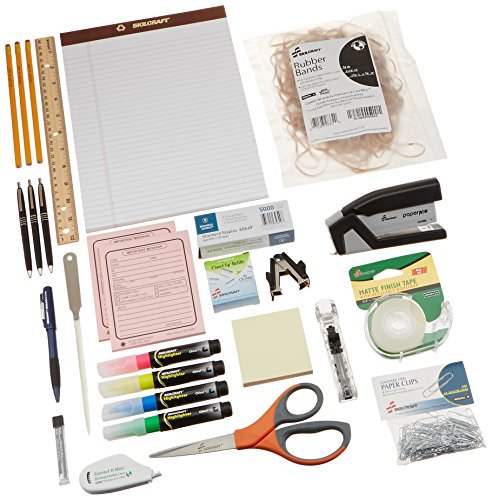
SKILCRAFT Employee Start-up Office Kit (NSN4936006)
Package Dimensions :33.528 Cm L X22.86 Cm W X7.874 Cm H
As an affiliate, we earn on qualifying purchases.
As an affiliate, we earn on qualifying purchases.

Goodwill and Valuation: Software for intangible assets valuation
As an affiliate, we earn on qualifying purchases.
As an affiliate, we earn on qualifying purchases.