TL;DR

Get smart everyday buys delivered free with Prime
- Fast, free delivery on millions of items
- Prime Video, Amazon Music and more included
- Member-only deals all year
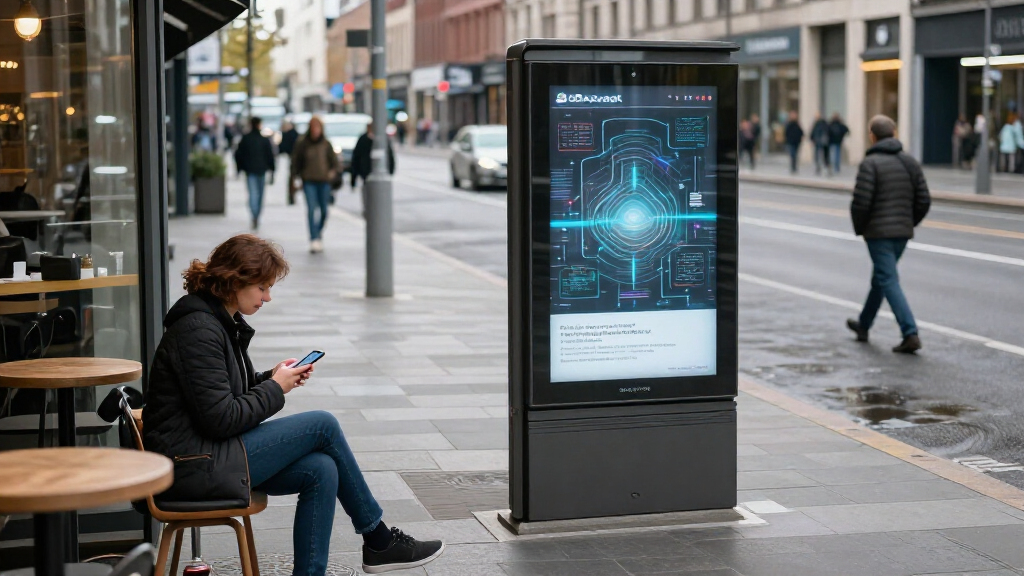
JCDecaux, the outdoor advertising company, has been described as an unexpected beneficiary of the AI boom, with its shares rising more than 70% this year, according to MoneyWeek. The report links investor interest to the value of the company’s billboards and other real-world advertising sites as advertisers adjust spending, but it does not establish how much of the share rise is due to AI.
JCDecaux, the outdoor advertising group that owns billboards and other advertising sites around the world, has emerged as an unexpected beneficiary of the AI boom, with its shares rising more than 70% this year, MoneyWeek reported. The report links the market’s interest to the company’s physical advertising estate and a shift in advertiser spending, though it does not quantify how much of the share gain is attributable to AI.
JCDecaux’s business is built around advertising inventory in the physical world: billboards and other real-world sites that can carry campaigns in public spaces. That makes the company a less obvious AI-related stock than firms selling computing hardware, cloud services or AI software. MoneyWeek’s report argues that its reach could still benefit as advertisers reconsider where and how they spend.
The report says JCDecaux shares have risen more than 70% this year. It does not give a precise measurement date, a share-price starting point or a detailed breakdown of the forces behind that performance. The figure should be read as the report’s stated year-to-date movement, not as evidence that AI alone caused the rise or as a prediction of future returns.
According to MoneyWeek, the potential connection is that advertisers may value the company’s extensive physical estate as AI changes the advertising market. The source does not provide specific examples of campaigns, customer spending figures or company disclosures that would show the scale of any AI-related demand. The link presented is therefore a market interpretation, rather than a reported measure of revenue generated by AI.
Why Physical Ad Space Is Drawing Interest
The story points to a broader investment question: AI-related spending may affect businesses beyond technology suppliers. If advertisers change their budgets or seek different ways to reach audiences, companies that control established channels—including outdoor advertising sites—could attract attention from investors. JCDecaux’s holdings give it a direct presence in public spaces, rather than a business based solely on digital platforms.
That possibility matters to readers because the label “AI winner” can cover very different things. In this case, the source describes an indirect connection through advertiser behavior and the company’s physical assets, not a claim that JCDecaux makes AI systems or that its earnings have already increased because of them. Share-price performance and operating results are separate measures: the reported rise indicates a change in market valuation, but does not by itself show stronger sales, profits or cash flow.
The distinction is also relevant for investors assessing a fast-moving theme. A company can be associated with AI because investors expect it to benefit from changes in an industry, even where the source provides no direct financial measure of that effect. MoneyWeek’s account gives a reason for the market’s interest, but not enough information to determine how durable or financially material that connection may be.
Products Worth Considering

Apple iPad Air 13-inch (M4), 128GB, Wi-Fi 7, Space Gray

LG UltraGear 27-Inch QHD OLED Gaming Monitor, 240Hz, 0.03ms, G-SYNC Compatible, FreeSync Premium Pro, HDMI 2.1

Canon SELPHY CP1500 Wireless Compact Photo Printer with RP-108 Ink and Paper Set
As an affiliate, we earn on qualifying purchases.
JCDecaux’s Physical Advertising Network
JCDecaux owns and operates a large international portfolio of outdoor advertising assets, according to the supplied report. Its business is therefore tied to access to advertising locations in the physical world. MoneyWeek presents this estate as the key reason the company might benefit from changes in advertiser spending associated with the AI boom.
The report does not describe a new product launch, an AI partnership, or a company announcement. The development is the market’s apparent reassessment of JCDecaux and its share-price performance, as framed by the publication. It also does not set out a longer share-price timeline or compare JCDecaux’s performance with other companies, so the stated rise cannot be placed in a fuller market context from the material provided.
The source does not establish what portion of the more-than-70% share rise reflects expectations about AI, as opposed to other company or market factors. It gives no baseline price, precise measurement date, financial forecast or analyst estimate to support a more detailed attribution.
It is also unclear whether advertiser spending on JCDecaux’s sites has increased, whether the company has seen measurable revenue or profit gains connected to AI-related changes, or whether the market’s expectations will translate into business results. The report describes a potential benefit and a shift in market attention; it does not confirm a specific AI-driven earnings impact. No company comment or direct quotation is included in the supplied material.
Evidence to Watch in Company Results
The next meaningful test will be whether company disclosures or financial results show changes in advertiser demand, revenue or profitability that support the market’s interest. The supplied report does not identify a forthcoming announcement or provide a date for the next milestone, so a specific catalyst cannot be confirmed from this material.
For now, the reported share-price gain is a market observation, while the proposed AI connection remains an explanation of why JCDecaux may be attracting attention. Further company reporting, if it discusses advertiser spending or AI-related activity, could help clarify whether the trend represents a measurable business benefit or mainly investor expectations.
Key Questions
What makes JCDecaux an unexpected beneficiary of the AI boom?
JCDecaux is an outdoor advertising company, not an AI technology supplier. MoneyWeek says its billboards and other physical advertising sites could benefit as advertisers shift spending in response to changes associated with AI.
How much have JCDecaux shares risen?
MoneyWeek reports that the shares have risen more than 70% this year. The supplied source does not state the exact measurement date or share-price baseline.
Has AI been confirmed as the cause of the share-price gain?
No. The report connects investor interest to AI-related changes in advertising, but does not establish that AI caused the increase or quantify its contribution.
Has JCDecaux reported higher earnings from AI?
The supplied material does not report AI-linked revenue, profit or customer-spending figures. It describes a possible market benefit, not a confirmed financial impact.
What information would clarify the AI connection?
Company results or disclosures showing changes in advertiser spending and financial performance could help establish whether the proposed link is producing measurable business gains.
Source: rss