

Fairness opinions matter most when your board considers major transactions like mergers, acquisitions, or asset sales that could substantially impact shareholder value. They provide an independent, objective assessment to guarantee deal fairness and help you meet regulatory requirements. When transaction terms are complex or high-stakes, these opinions boost credibility and reduce legal risks. If you want to understand how fairness opinions can support your decisions and protect your organization, keep exploring these important considerations.
Key Takeaways
- During significant transactions like mergers, acquisitions, or asset sales impacting shareholder value.
- When regulatory compliance requires independent validation of deal fairness.
- To mitigate legal risks and shareholder disputes over transaction legitimacy.
- In high-stakes deals with substantial financial or strategic implications.
- When demonstrating transparency and due diligence to build stakeholder trust.

Have you ever wondered how boards guarantee their decisions are fair and well-informed during complex transactions? One critical tool they rely on is a fairness opinion. This independent assessment evaluates whether a proposed deal or transaction is fair from a financial perspective. When you’re part of a board making significant decisions, understanding when a fairness opinion actually matters can make a difference in how you approach the process. It’s not just about ticking legal boxes; it’s about ensuring the decision aligns with shareholder impact and regulatory compliance.
Fairness opinions ensure well-informed, compliant decisions that protect shareholder interests during complex transactions.
A fairness opinion becomes particularly vital when the transaction could significantly affect shareholders. If a company is acquiring another firm or selling a substantial asset, the board needs to be confident that the terms are fair and that shareholders aren’t at risk of losing value. The opinion helps demonstrate that the deal has been scrutinized by an unbiased third party, providing assurance that the terms are reasonable and justified. This isn’t just about protecting shareholders’ interests; it’s also about building trust and transparency in your governance process. When shareholders see that an independent expert has validated the fairness, it can reduce future disputes or claims of self-dealing. Additionally, understanding the role of financial evaluation methods is crucial in assessing the thoroughness of the fairness opinion. These methods help ensure that the assessment considers all relevant financial factors and market conditions, further strengthening the credibility of the opinion. Recognizing the importance of market conditions can help boards better interpret the findings of the evaluation, especially in volatile economic environments.
Regulatory compliance is another key reason to rely on fairness opinions. Many jurisdictions and stock exchanges require boards to obtain such evaluations in certain transactions, especially those involving conflicts of interest or related-party dealings. Failing to secure an independent fairness opinion in these situations could expose the company to legal risks, regulatory penalties, or shareholder lawsuits. It’s a safeguard that demonstrates your commitment to ethical governance and adherence to rules. When you prioritize regulatory compliance through fairness opinions, you’re not only protecting the company but also reinforcing its reputation as a transparent and responsible entity. Understanding the contrast ratio and other technical aspects of projectors, for example, may seem unrelated but highlights how detailed and precise evaluations are necessary across various decision-making processes. This level of detail highlights the importance of thorough assessments in maintaining overall corporate integrity. Moreover, the use of industry standards in valuation processes can further enhance the objectivity and acceptability of the fairness opinion.
However, it’s essential to recognize that a fairness opinion isn’t a guarantee of success or fairness in every aspect. It’s a professional judgment based on the information available at the time. When you understand when these opinions matter most—such as in transactions with high shareholder impact or regulatory scrutiny—you’re better equipped to use them as a strategic tool. This awareness ensures that fairness opinions serve their purpose: providing confidence, transparency, and compliance in complex board decisions. Ultimately, their value lies in helping you navigate the delicate balance between business goals, shareholder interests, and regulatory expectations.
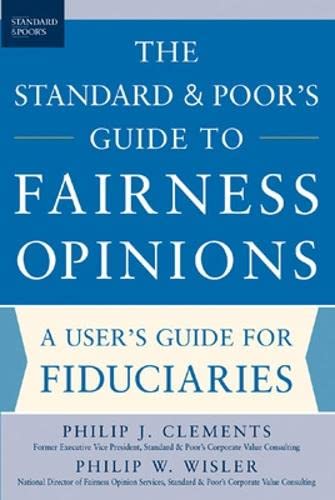
The Standard & Poor's Guide to Fairness Opinions
As an affiliate, we earn on qualifying purchases.
As an affiliate, we earn on qualifying purchases.
Frequently Asked Questions
How Are Fairness Opinions Different From Valuation Reports?
Fairness opinions differ from valuation reports because they focus on whether a transaction is fair from a financial perspective, often considering market valuation and ethical considerations. You use fairness opinions to help boards decide if a deal is reasonable, emphasizing fairness and fiduciary duty. Valuation reports, meanwhile, provide an in-depth analysis of a company’s worth based on various valuation methods, serving as a broader analytical tool.
Who Typically Provides Fairness Opinions to Boards?
You’ll find that fairness opinions are typically provided by financial advisors or investment banks, who serve as impartial experts. They help mitigate conflict of interest by offering independent assessments, boosting their credibility with the board. These professionals analyze the transaction details thoroughly, ensuring their opinion is unbiased and trustworthy. Their role is essential when the board needs reassurance that a deal is fair from a financial perspective, safeguarding stakeholder interests.
What Are the Legal Implications of Issuing a Fairness Opinion?
Issuing a fairness opinion can feel like walking a legal tightrope—one misstep can lead to serious trouble. You must guarantee compliance with all regulations and heed legal precedents, or risk lawsuits and liability. Courts scrutinize these opinions closely, expecting thorough, unbiased analysis. Failing to meet legal standards can undermine your credibility and expose the company and directors to costly legal actions. So, always prioritize meticulous, compliant evaluations to protect all parties involved.
How Does a Fairness Opinion Impact Shareholder Approval Processes?
A fairness opinion can considerably influence shareholder approval processes by providing an independent assessment that supports the board’s recommendation. It may sway shareholder influence and simplify voting procedures, making approval more straightforward. When shareholders see a reputable fairness opinion backing a deal, they’re more likely to trust the decision, potentially increasing voting turnout and consensus. This underscores the importance of fairness opinions in ensuring transparent, well-informed shareholder decisions.
What Costs Are Associated With Obtaining a Fairness Opinion?
Thinking it’s all just a walk in the park? Think again. The costs of obtaining a fairness opinion include fees for financial advisors and legal counsel, which can be hefty. These expenses support risk management and regulatory compliance, ensuring the board’s decision withstands scrutiny. While it’s an investment, it’s a safeguard against potential legal challenges, helping you avoid costly disputes and maintain stakeholder confidence during significant transactions.
independent fairness opinion report
As an affiliate, we earn on qualifying purchases.
As an affiliate, we earn on qualifying purchases.
Conclusion
When you rely on fairness opinions, you’re anchoring your decisions in a lighthouse guiding through turbulent waters. They matter most when stakes are high, providing clarity amid ambiguity. Ignoring their importance risks sailing blind into troubled seas, where misjudgments can sink deals or damage reputations. Think of fairness opinions as your compass—an essential tool that, when used wisely, keeps your course steady and your decisions just, ensuring you steer clear of treacherous waters.
Report of the Commission to Investigate Tax Assessments
As an affiliate, we earn on qualifying purchases.
As an affiliate, we earn on qualifying purchases.
regulatory compliance fairness opinion
As an affiliate, we earn on qualifying purchases.
As an affiliate, we earn on qualifying purchases.