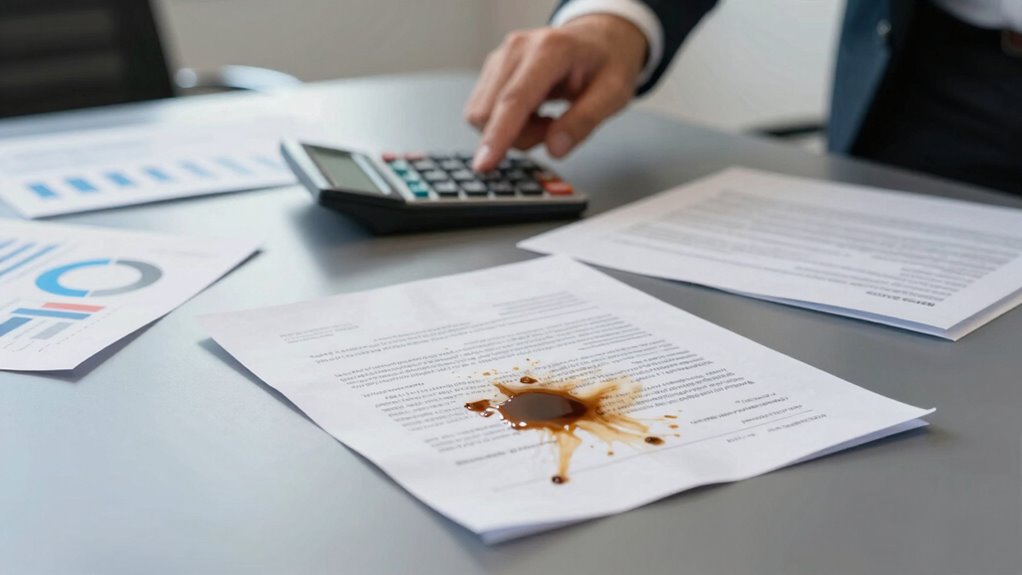

One of the main purchase price adjustment mistakes that keeps blowing up deals is ignoring valuation discrepancies early on. You might assume all numbers are aligned or skip verifying data, which leads to surprises later. Rushing negotiations without understanding valuation nuances can cause misunderstandings, inflated prices, or last-minute conflicts. Addressing these issues upfront helps prevent costly breakdowns. Stay with us to uncover proven strategies for avoiding these pitfalls and keeping your deals on track.
Key Takeaways
- Failing to verify valuation discrepancies early leads to last-minute surprises and deal breakdowns.
- Rushing negotiations without thorough analysis causes overlooked issues and inflated purchase prices.
- Relying on flawed data or assumptions results in unfair adjustments and increased disputes.
- Ignoring industry trends and detailed reports hampers accurate valuation, fueling disagreements.
- Not addressing valuation disputes proactively fosters misunderstandings, risking deal failure.

Have you ever overlooked a key detail that led to a costly mistake in a purchase price adjustment? It’s a common pitfall, especially when dealing with valuation discrepancies that seem minor at first glance. You might assume that all the numbers line up or that the other party’s valuation is reasonable enough to overlook. But in reality, these discrepancies can snowball, creating friction that threatens to derail the entire deal. When you ignore the nuances in valuation, you risk making adjustments based on flawed data, which can inflate or deflate the purchase price unfairly. This oversight often stems from a lack of attention to detail or rushing into negotiations without thoroughly understanding how valuation discrepancies influence the final terms. Recognizing industry trends that can impact valuation clarity is also crucial in these situations.
One of the main reasons these issues keep blowing up deals is poor negotiation tactics. If you’re not prepared to address valuation discrepancies head-on, you leave room for miscommunication and disputes to escalate. It’s tempting to accept the initial valuation figures or to negotiate around them without digging deeper, but that’s a mistake. Instead, you should approach these disagreements as opportunities to gather more precise data. Use negotiation tactics that focus on transparency—ask for detailed valuation reports, compare third-party appraisals, and challenge assumptions that may skew the valuation. These tactics help you uncover hidden issues and build a more accurate picture of what the deal is truly worth.
Address valuation disputes proactively with transparency, detailed reports, and third-party comparisons to uncover hidden issues and ensure fair deals.
Failing to address valuation discrepancies early can lead to protracted negotiations, last-minute surprises, and even deal failures. When you don’t have a clear method for resolving these discrepancies, it’s easy for disagreements to become personal or emotional, rather than focused on objective facts. This approach often results in inflated purchase prices or stubborn refusals to budge, both of which can cause deals to fall apart. By applying effective negotiation tactics, such as framing discussions around data and valuation methodology, you can prevent these issues from spiraling out of control.
Ultimately, paying close attention to valuation discrepancies and applying strategic negotiation tactics can save you from costly mistakes. When you proactively seek clarity and avoid rushing through the process, you gain leverage and credibility. This meticulous approach ensures you’re not just making blind adjustments but are aligning the purchase price with an accurate, fair valuation. In doing so, you protect your interests, foster trust, and keep deals moving forward rather than letting minor disagreements blow up your deals at the last minute.
purchase price valuation report
As an affiliate, we earn on qualifying purchases.
As an affiliate, we earn on qualifying purchases.
Frequently Asked Questions
How Can Buyers Avoid Overestimating Purchase Price Adjustments?
To avoid overestimating purchase price adjustments, focus on maintaining valuation accuracy by thoroughly analyzing financial data and market conditions. Use clear adjustment strategies that are based on solid, objective metrics instead of assumptions. Always involve experienced professionals to review your calculations, and consider potential future fluctuations. This careful approach helps prevent inflated estimates, smooths negotiations, and keeps deals on track without unexpected surprises.
What Are Common Negotiation Pitfalls Related to Purchase Price Adjustments?
Did you know that 65% of deals fall apart due to valuation disagreements? When negotiating purchase price adjustments, you often stumble over unclear purchase terms or assumptions about post-closing expenses. These pitfalls can lead to prolonged disputes, eroding trust. To avoid this, clarify all purchase terms upfront and set agreed-upon valuation methods. Address potential discrepancies early, so you don’t get caught in costly, deal-breaking negotiations later.
How Do Purchase Price Adjustments Impact Deal Timelines?
Purchase price adjustments can markedly delay deal timelines, especially when valuation discrepancies arise. These discrepancies often lead to extended negotiations, requiring additional escrow processes to resolve disagreements. You might find yourself in prolonged discussions or re-negotiations, which slow down the overall closing process. To avoid delays, make certain clear communication early on and thoroughly understand how valuation differences will be handled, streamlining escrow procedures and keeping the deal on track.
Are There Industry-Specific Differences in Purchase Price Adjustment Mistakes?
Yes, industry nuances and sector variations substantially influence purchase price adjustment mistakes. In sectors like tech, rapid valuation changes can lead to miscalculations, while in manufacturing, inventory and asset valuations pose unique challenges. You need to understand these sector-specific factors to avoid common mistakes. Failing to take into account industry nuances can cause misaligned adjustments, jeopardizing deal success and causing delays. Tailoring your approach to sector variations ensures smoother negotiations and more accurate adjustments.
What Legal Risks Stem From Incorrect Purchase Price Adjustments?
Incorrect purchase price adjustments can considerably increase your legal risks, including liability exposure if disputes arise. Contractual ambiguities in adjustment provisions might lead to costly litigation or enforcement issues. You could also face breach of contract claims if adjustments aren’t handled properly, risking financial penalties or damages. To mitigate these risks, guarantee clear, precise language in the agreement and thoroughly understand all adjustment terms before finalizing the deal.

Third Party Funding in International Arbitration: A Critical Appraisal and Pragmatic Proposal
As an affiliate, we earn on qualifying purchases.
As an affiliate, we earn on qualifying purchases.
Conclusion
To avoid costly mistakes, stay vigilant, stay precise, and stay informed. Recognize the pitfalls, understand the implications, and communicate clearly. By doing so, you safeguard your deal, build trust, and guarantee success. Don’t let a simple purchase price adjustment derail your negotiations—focus on clarity, consistency, and control. Keep these principles in mind, and you’ll navigate adjustments smoothly, closing deals confidently and avoiding pitfalls that could blow everything up.

Negotiation Hacks: Expert Tactics To Get What You Want
As an affiliate, we earn on qualifying purchases.
As an affiliate, we earn on qualifying purchases.
valuation discrepancy analysis software
As an affiliate, we earn on qualifying purchases.
As an affiliate, we earn on qualifying purchases.