
TL;DR

Get smart everyday buys delivered free — and shop member deals
- Fast, free delivery on millions of items
- Access to Prime Big Deal Days deals on October 6–7
- Prime Video, Amazon Music and more included
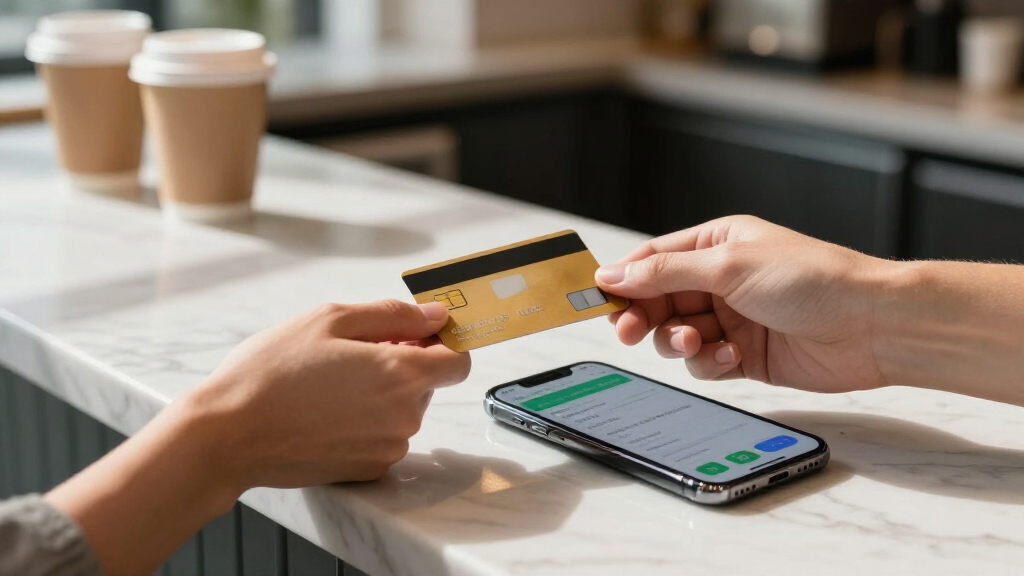
Euro area consumers still predominantly use cash for transactions, with cash remaining the leading payment method. Digital payments are growing but have not overtaken cash. The ECB confirms cash’s continued dominance amid evolving payment trends.
The European Central Bank (ECB) has confirmed that cash remains the most widely accepted payment method across the euro area, despite increasing adoption of digital payment options. This development underscores the ongoing importance of cash for consumers and businesses, even as digital payments continue to grow in popularity.
The ECB’s latest report indicates that cash transactions still account for a significant share of payments in the euro area, surpassing digital methods such as card payments and mobile transfers. According to the ECB, cash is used in over 70% of point-of-sale transactions, a figure that has remained relatively stable over recent years, despite the rise of contactless and online payments.
While digital payments, including card-based and mobile payments, have seen steady growth—especially during the COVID-19 pandemic—cash’s role remains prominent. The ECB attributes this to factors such as consumer preference, trust in cash, and the accessibility of physical currency, particularly among older populations and in certain regions.
Officials from the ECB emphasized that cash’s continued acceptance is supported by legislation and infrastructure that favor its use, and that it remains a critical component of the euro area’s payment ecosystem.
Why Cash’s Dominance Matters in the Euro Area
The persistence of cash as the primary payment method influences monetary policy, financial inclusion, and payment infrastructure development within the euro area. It highlights the importance of maintaining physical currency systems and ensuring that digital transition does not marginalize certain groups, such as the elderly or those without access to digital technology.
For policymakers, the data suggests that efforts to promote digital payments should complement rather than replace cash, ensuring a balanced and inclusive payment landscape. For consumers and businesses, the continued acceptance of cash provides flexibility and security, particularly in times of digital disruptions or cyber threats.
cash handling and counting machines
As an affiliate, we earn on qualifying purchases.
As an affiliate, we earn on qualifying purchases.
Recent Trends in Payment Methods in the Euro Area
Over the past decade, the euro area has seen a marked increase in digital payment adoption, driven by technological advancements and changing consumer preferences. The ECB’s previous reports indicated a gradual decline in cash usage, but recent data shows that cash remains resilient.
During the COVID-19 pandemic, digital payments experienced accelerated growth, with contactless card transactions and mobile payments surging as consumers sought safer, contactless options. Nonetheless, cash usage has shown signs of stabilization, with many users citing familiarity and trust as reasons for continued reliance.
Legislative measures in several euro area countries have reinforced the legality and availability of cash, further supporting its ongoing role.
“Cash remains the most widely accepted and used payment method across the euro area, even as digital payments grow.”
— ECB spokesperson
As an affiliate, we earn on qualifying purchases.
Uncertainties About Future Payment Trends
While current data confirms cash’s dominance, it is unclear how long this trend will persist as digital payment technologies evolve and consumer preferences shift. The impact of potential new regulations, technological innovations, or economic factors on cash usage remains uncertain.
Additionally, regional differences within the euro area could influence future trends, with some countries experiencing faster digital adoption than others. The ECB has not specified when or if digital payments might overtake cash in the future.
As an affiliate, we earn on qualifying purchases.
Upcoming Developments in Euro Area Payment Systems
The ECB plans to continue monitoring payment trends and will release updated data in its upcoming quarterly reports. Future research will likely focus on the impact of new digital payment initiatives, legislative changes, and technological innovations on cash usage.
Policymakers may also explore measures to ensure financial inclusion and security as the payment landscape evolves, balancing digital growth with the enduring role of cash.
As an affiliate, we earn on qualifying purchases.
Key Questions
Is cash still the most used payment method in the euro area?
Yes, according to the European Central Bank, cash remains the most widely accepted and used payment method across the euro area as of the latest report.
How has digital payment growth affected cash usage?
Digital payments have grown steadily, especially during the COVID-19 pandemic, but cash still accounts for the majority of transactions, indicating resilience in cash usage.
Will digital payments eventually replace cash in the euro area?
The future trend is uncertain. While digital payments are increasing, current data shows cash’s continued importance. The ECB has not indicated a specific timeline for digital dominance.
What factors support the continued use of cash?
Trust in physical currency, accessibility for all population segments, and legal frameworks support cash’s ongoing role in the euro area.
Are there regional differences in cash usage within the euro area?
Yes, some countries and regions show higher reliance on cash, often due to demographic or infrastructural factors, but detailed regional data is still emerging.
Source: primary
Fall Picks
fall essentials
As an affiliate, we earn on qualifying purchases.