
Achieving product-market fit before seeking funding proves you’re solving a real problem, which makes your startup more attractive to investors. It reduces risks, shows proven customer demand, and builds a solid foundation for growth. Skipping validation can lead to wasted resources and difficulty convincing investors later. When you demonstrate clear market traction early on, it’s easier to attract funding and scale successfully. To learn more about why this order matters, keep exploring.
Key Takeaways
- Achieving product-market fit demonstrates real market demand, making startups more attractive to investors.
- Validated products reduce perceived risk and increase investor confidence during funding rounds.
- Understanding customer needs ensures the product addresses actual pain points, increasing chances of success.
- Skipping validation can lead to wasted resources and difficulty convincing investors later.
- Building on proven demand provides a strong foundation for sustainable growth and long-term success.

Achieving product-market fit before seeking funding is essential for startup success. When you focus on this early stage, you lay a solid foundation that increases your chances of attracting investors later. The first step is to understand your target customers deeply, which involves thorough market research. You need to identify a real problem or need within a specific market segment and then determine whether your solution resonates with that audience. Market research isn’t just about collecting data; it’s about uncovering insights that reveal your potential customers’ pain points, preferences, and behaviors. By doing this, you can tailor your product to meet their exact needs, making it more likely to succeed. Ensuring your product aligns with proven customer preferences through market research reduces the risk of misjudging market demand.
Customer validation plays a pivotal role in this process. It’s not enough to assume your solution will work; you need to test it with actual users. Customer validation involves engaging early adopters, gathering feedback, and iterating based on their responses. When your customers genuinely find value in your product, and you see consistent usage or positive signals, you’re on the right track to achieving product-market fit. This validation acts as proof that your product addresses a real problem and that your target market is willing to adopt it. It also helps you identify any gaps or issues that need fixing before you approach investors.
By focusing on customer validation and rigorous market research, you reduce the risks associated with launching a new product. Many startups jump straight into scaling or fundraising without confirming that their product truly fits the market. This often leads to wasted resources, poor sales, and difficulty convincing investors of your product’s potential. When you’ve achieved product-market fit, you can confidently demonstrate traction and a clear market need, which makes your pitch more compelling. Investors want to see that your product solves a real problem and that people are willing to pay for it. Showing that you’ve validated your idea with real customers proves your business has a solid foundation.
In essence, dedicating time to understand your market and validate your assumptions guarantees that your startup is built on a validated product rather than assumptions. It’s about creating something that truly meets customer needs, which ultimately makes your startup more attractive to investors. When you’ve reached this stage, funding becomes a tool to accelerate growth rather than a necessity to survive. So, invest in market research and customer validation early on. It’s the smartest move you can make to set your startup up for long-term success.
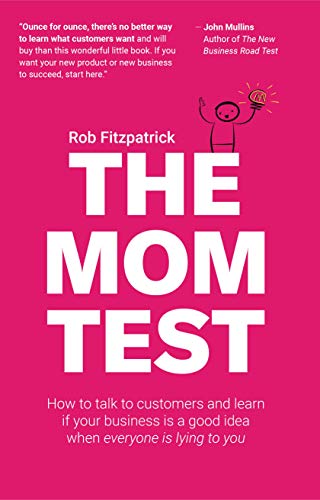
The Mom Test: How to talk to customers & learn if your business is a good idea when everyone is lying to you
As an affiliate, we earn on qualifying purchases.
As an affiliate, we earn on qualifying purchases.
Frequently Asked Questions
How Can Startups Test for Product-Market Fit Effectively?
You can test for product-market fit by actively seeking customer feedback through surveys, interviews, and usage data. Pay attention to how customers respond and whether they’re satisfied. If feedback indicates issues or low engagement, be ready to pivot strategies and adjust your product accordingly. Continuously iterate based on real customer insights, ensuring your product truly meets market needs before scaling or seeking funding.
What Are Early Signs Indicating a Startup Has Achieved Product-Market Fit?
You’ll notice early signs of product-market fit through positive customer feedback and increasing sales momentum. When customers consistently praise your product and recommend it to others, it shows you’re meeting their needs. Additionally, steady growth in sales indicates demand is strong and sustainable. If these signs persist, it’s a clear signal that your startup has achieved product-market fit, setting a solid foundation for scaling further.
How Long Does It Typically Take to Find Product-Market Fit?
Finding product-market fit is like charting a maze; it varies, but usually takes anywhere from a few months to two years. You’ll rely on customer feedback and market research to guide you through the twists and turns. Stay attentive to signals of demand and satisfaction, adjusting your approach as you go. Patience, persistence, and listening closely will help you reach that sweet spot where your product truly resonates.
Can a Startup Succeed Without Achieving Strong Product-Market Fit?
You can succeed without strong product-market fit, but it’s risky. Rely on market research and customer feedback to identify gaps and refine your offering. If you overlook these, your startup might struggle to attract users or generate revenue. Continually listen to your customers and adapt your product accordingly. While some startups succeed early, most need solid product-market fit to ensure sustainable growth and long-term success.
What Pitfalls Should Founders Avoid When Aiming for Product-Market Fit?
When aiming for product-market fit, avoid scaling prematurely, which can stretch your resources and dilute your focus. Don’t neglect customer feedback—listening to your users guides meaningful improvements and prevents building a product no one wants. Stay patient, iterate based on feedback, and guarantee your product genuinely meets market needs before expanding. This approach helps you establish a strong foundation and increases your chances of long-term success.

Online Surveys For Dummies
As an affiliate, we earn on qualifying purchases.
As an affiliate, we earn on qualifying purchases.
Conclusion
Reaching product-market fit before funding is like planting a sturdy seed before watering it; it sets the foundation for growth. When you understand your market first, your startup can grow strong and resilient, reducing risks and boosting investor confidence. Skipping this step is like building a house on shaky ground—you might rush ahead, but stability comes from a solid base. Focus on fit first, and your journey will be much smoother.

3M FT-10 Qualitative Fit Test Kit, Sweet Sensitivity Solution
Safety Compliance: Enables proper fit testing for respiratory protection equipment
As an affiliate, we earn on qualifying purchases.
As an affiliate, we earn on qualifying purchases.

The Mom Test: How to talk to customers & learn if your business is a good idea when everyone is lying to you
As an affiliate, we earn on qualifying purchases.
As an affiliate, we earn on qualifying purchases.