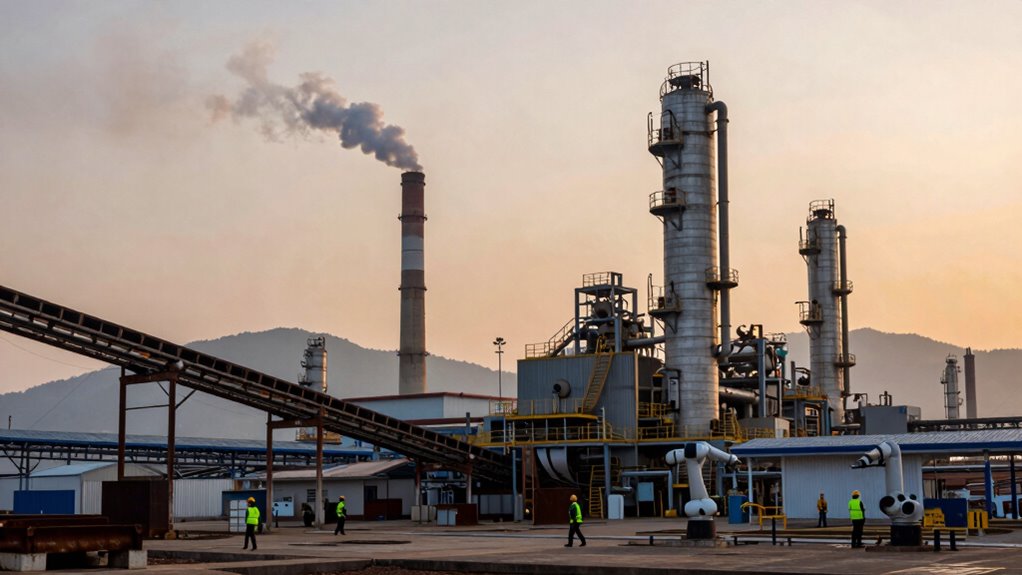

Reindustrialization is a vital long-term investment theme often overlooked by investors. It strengthens supply chain resilience by boosting local manufacturing and reducing reliance on distant suppliers. Technological innovation like AI and automation makes factories smarter and more efficient, creating high-quality jobs and fostering economic stability. This shift shapes the future of global manufacturing, offering sustainable growth opportunities. Keep exploring how this trend can reshape your investment approach and impact your portfolio.

Get smart everyday buys delivered free with Prime
- Fast, free delivery on millions of items
- Prime Video, Amazon Music and more included
- Member-only deals all year
Key Takeaways
- Reindustrialization fosters supply chain resilience, reducing dependency on global suppliers vulnerable to disruptions.
- Technological innovations like AI and automation accelerate manufacturing efficiency and adaptability.
- Investing in reindustrialization creates high-quality jobs and stimulates regional economic growth.
- Long-term focus on resilient manufacturing infrastructure enhances economic stability amid geopolitical uncertainties.
- Reindustrialization is a strategic shift shaping future global economic ecosystems and investment opportunities.
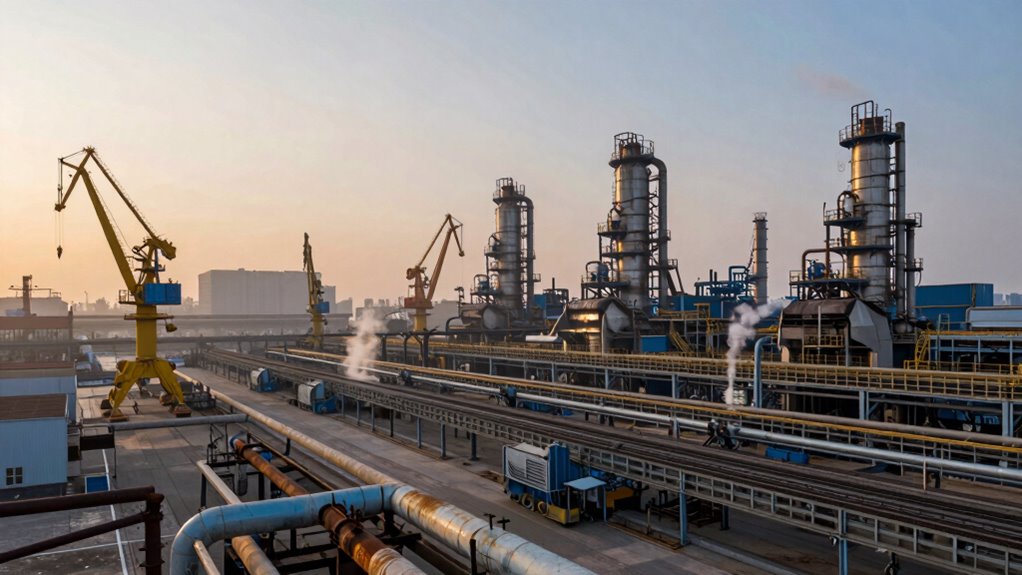
Have you ever considered how rebuilding manufacturing sectors could shape the future of global economies? It’s a strategic move that goes beyond short-term gains, pointing toward long-term stability and growth. As countries recognize the vulnerabilities exposed during recent disruptions, reindustrialization becomes a crucial focus. For you as an investor, understanding this shift means seeing beyond immediate market fluctuations and appreciating the broader implications for the global supply chain. Rebuilding manufacturing isn’t just about increasing output; it’s about creating a resilient infrastructure capable of adapting to unforeseen challenges.
Supply chain resilience stands at the core of this transformation. By strengthening local and regional manufacturing capabilities, countries can reduce their dependence on distant suppliers and complex global networks. This creates a more predictable, stable environment where disruptions—be it from geopolitical conflicts, pandemics, or natural disasters—cause less damage. As an investor, you should see this trend as a way to minimize risks associated with global supply chain fragility. Companies that prioritize local sourcing, diversify their suppliers, and invest in robust logistics networks will likely outperform those heavily reliant on international dependencies. Reindustrialization, thus, becomes a strategic shield against unpredictability. Additionally, integrating advanced manufacturing technologies can further optimize these processes and enhance overall efficiency.
Alongside supply chain resilience, technological innovation fuels this shift. Modern manufacturing isn’t just about rebuilding old factories; it’s about integrating cutting-edge technologies like automation, artificial intelligence, and advanced robotics. These innovations make production more efficient, flexible, and cost-effective. For you, this means new opportunities in industries that leverage these technologies—whether through direct investment in innovative manufacturers or in companies that supply critical components. Technological innovation accelerates reindustrialization efforts, transforming traditional plants into smart factories capable of rapid adaptation to changing demands. Additionally, software quality assurance and compliance standards play a vital role in supporting these technological advancements, ensuring that new manufacturing processes meet rigorous quality and safety requirements. A comprehensive understanding of technological progress is essential for investors aiming to capitalize on these shifts.
Moreover, this focus on advanced manufacturing techniques can create high-quality jobs and stimulate regional economies. As new plants adopt innovative processes, they generate a ripple effect—spurring further technological development and attracting skilled workers. This helps build a more balanced and resilient economic landscape, which can sustain growth over the long term. For investors, recognizing these dynamics means spotting companies that are at the forefront of technological change and are well-positioned to capitalize on the reindustrialization wave. Furthermore, understanding the role of color accuracy in modern manufacturing can be essential for industries that require precise quality control and high standards.
In essence, reindustrialization isn’t just a passing trend; it’s a foundational shift that could redefine global economic stability and growth. By focusing on supply chain resilience and harnessing technological innovation, nations are laying the groundwork for more sustainable, adaptable manufacturing ecosystems. For you as an investor, understanding this long-term theme offers a chance to align your portfolio with a future where manufacturing plays a central role in economic resilience and technological progress.
As an affiliate, we earn on qualifying purchases.
Frequently Asked Questions
What Specific Industries Are Most Impacted by Reindustrialization?
You’ll find manufacturing, robotics, and advanced materials most impacted by reindustrialization. These industries benefit from improved supply chain resilience, reducing vulnerabilities and delays. As workforce development becomes a priority, automation and skilled labor training grow, boosting productivity. This shift encourages innovation and local production, making these sectors more competitive. By focusing on these industries, you can capitalize on long-term growth driven by the renewed emphasis on reindustrialization.
How Does Government Policy Influence Reindustrialization Efforts?
Imagine your country lowers trade barriers and relaxes labor regulations, making manufacturing cheaper and more attractive. Government policies like these directly influence reindustrialization efforts by incentivizing companies to produce domestically. For example, a government might implement tax breaks or tariffs to protect local industries. These actions shape the landscape, encouraging investment and growth in manufacturing sectors, ultimately fostering long-term economic resilience and reindustrialization.
What Are the Main Risks Associated With Investing in Reindustrialization?
When investing in reindustrialization, you face risks like disruptions in the supply chain, which could delay production and reduce profits. Labor shortages might also hinder growth, making it harder to find skilled workers. Additionally, geopolitical tensions could affect trade policies and increase costs. You need to stay vigilant about these factors to manage potential setbacks and protect your investments effectively.
How Long Might It Take for Reindustrialization to Significantly Affect Markets?
Reindustrialization could take several years to considerably impact markets, depending on how quickly supply chain adjustments and labor force shifts occur. You might see gradual changes as companies invest in new infrastructure and skills, possibly over five to ten years. During this period, supply chain resilience improves, and the labor force adapts, ultimately leading to stronger industrial growth and broader market effects. Patience is key in recognizing this long-term transformation.
What Role Do Emerging Technologies Play in Reindustrialization?
Imagine you’re living in a future where AI-powered automation innovation transforms industries overnight. Emerging technologies play a critical role by streamlining supply chains, reducing costs, and boosting efficiency. They enable reindustrialization by making manufacturing more agile and responsive. As you adopt these innovations, you’ll find industries become more resilient and competitive, ultimately accelerating the shift toward a modernized, tech-driven industrial landscape.
As an affiliate, we earn on qualifying purchases.
Conclusion
Just like the phoenix rising from its ashes, reindustrialization signals a powerful rebirth for the global economy. You shouldn’t overlook this long-term theme, as it promises resilience and growth amid uncertainty. By embracing this shift, you’re aligning with a future where innovation and manufacturing walk hand in hand, echoing the enduring spirit of progress. Keep your eyes open—you may be on the cusp of witnessing history’s next great chapter in industry.
As an affiliate, we earn on qualifying purchases.
advanced manufacturing equipment
As an affiliate, we earn on qualifying purchases.
As an affiliate, we earn on qualifying purchases.
Halloween Picks
halloween
As an affiliate, we earn on qualifying purchases.