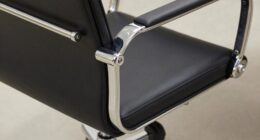
If you choose genuine leather, you get a chair that molds to your body over time, offering better comfort and a sophisticated look that ages beautifully. It resists wear longer and develops a rich patina, adding character with age. Faux leather can look attractive initially and is usually easier to maintain, but it may peel or crack with extended use. Want to discover which option truly lasts and why? Keep exploring for more insights.
Key Takeaways
- Genuine leather generally offers superior durability and ages better with proper care.
- Faux leather can resist scratches initially but may crack or peel over time.
- Genuine leather molds to the body, providing better long-term ergonomic support.
- High-quality faux leather provides a sleek look but may lack the same aging character.
- Material quality and maintenance significantly influence the longevity of both leather and faux leather chairs.

Have you ever wondered whether genuine leather or faux leather is the better choice for your executive chair? When choosing between the two, you need to consider not just looks but also how each material affects your comfort and posture. Ergonomics comfort plays an essential role in your daily productivity, especially if you spend hours at your desk. Genuine leather tends to mold more naturally to your body over time, providing a personalized fit that can enhance your overall comfort. Faux leather, while often less pliable initially, can still offer a decent level of support if it’s well-made. Still, it might not conform to your shape as seamlessly as real leather, possibly leading to less ergonomic support during long sitting sessions.
Genuine leather molds to your body, offering superior comfort and ergonomic support for long hours at your desk.
Aesthetic appeal is another key factor. Genuine leather exudes a classic, luxurious look that elevates any office space instantly. Its rich texture and deep color deepen with age, adding character and sophistication to your environment. Faux leather, on the other hand, has come a long way in mimicking the appearance of real leather. Many high-quality options boast a sleek, modern look that appeals to contemporary tastes. But if you’re aiming for a timeless, upscale aesthetic, genuine leather often has the edge. It also tends to age better, developing a patina that many find attractive.
Durability is essential when weighing your options. Genuine leather is known for its longevity, resisting wear and tear over the years if properly maintained. It can withstand frequent use without showing significant signs of aging. Faux leather, while initially resistant to scratches and stains, can sometimes peel or crack after extended use, especially if exposed to sunlight or moisture. However, synthetic options are improving, and some faux leathers now feature reinforced surfaces designed to last. Additionally, leather’s natural properties can help it resist microbial growth, further extending its lifespan. Modern advancements in synthetic materials are also contributing to improved durability and appearance, narrowing the gap between genuine and faux leather. Proper care and material quality are crucial factors in determining how long your chair will look and feel like new. Also, advances in synthetic materials continue to close the gap in performance and appearance between genuine and faux options.
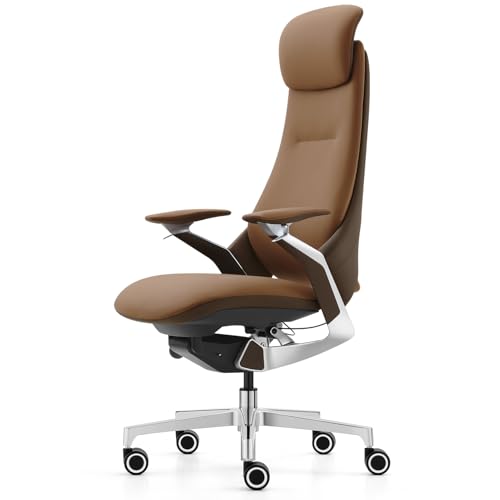
Genuine Leather Executive Office Chair, Ergonomic Comfortable Computer Chair, Adjustable seat Height/headrest Height, with tilt Lock, high-Back Home Office Desk Chair. (Caramel Brown/Dark Brown)
【Premium leather craftsmanship】: Featuring luxurious Nappa top-grain cowhide leather on contact surfaces and durable PU leather on non-contact…
As an affiliate, we earn on qualifying purchases.
As an affiliate, we earn on qualifying purchases.
Frequently Asked Questions
How Do Leather and Faux Leather Chairs Compare in Allergy Concerns?
You might find faux leather chairs better if allergy triggers are a concern, as they’re often made from hypoallergenic materials that resist dust and allergens better than genuine leather. Leather can trap dust, mold, and other irritants over time, potentially worsening allergies. Faux leather’s smooth surface is easier to clean, reducing allergen buildup, making it a safer choice for allergy sufferers.
Are Faux Leather Chairs More Environmentally Friendly Than Genuine Leather?
Faux leather chairs are generally more eco-friendly than genuine leather because they’re made from synthetic materials that often use fewer resources. For example, a company switching to faux leather reduces animal cruelty concerns and lowers its environmental impact. By choosing eco-friendly materials, you support sustainable practices and avoid the ethical issues tied to animal exploitation. So, if environmental impact matters to you, faux leather is a better choice.
Which Type of Chair Offers Better Temperature Regulation?
You’ll find faux leather chairs generally offer better temperature regulation than genuine leather. The breathability comparison shows faux leather tends to be more breathable, reducing heat retention and keeping you cooler during long sitting periods. Genuine leather, on the other hand, has higher heat retention properties, which can make it feel warmer and less comfortable in hot environments. So, if temperature control is your priority, faux leather might be the better choice.
How Do Cleaning and Maintenance Differ Between Leather and Faux Leather?
Cleaning and maintenance differ like night and day. Leather requires gentle cleaning techniques, often needing specialized products and regular conditioning to prevent cracking. Faux leather is more forgiving, with easier cleaning techniques using just a damp cloth and mild soap. Maintenance costs for leather tend to be higher due to its delicate nature, while faux leather offers a budget-friendly, low-maintenance option that keeps your chair looking fresh longer.
What Is the Typical Lifespan Difference Between Leather and Faux Leather Chairs?
You’ll find that leather chairs typically last around 10-15 years, thanks to their durability, while faux leather usually holds up for about 5-8 years. In a durability comparison, leather outperforms faux leather due to its natural material. When considering cost analysis, faux leather is more affordable initially but may need replacement sooner. So, if longevity matters most, leather’s the better choice, despite the higher upfront cost.

MOJAY Mid-Back Ergonomic Leather Office Chair, Modern Upholstered Executive Desk Chair with Gold Frame Armrest Computer Task Chair (Camel)
HIGH-QUALITY FABRIC: The ergonomic office chair is crafted from select PU leather with beautiful and sturdy stitching. The…
As an affiliate, we earn on qualifying purchases.
As an affiliate, we earn on qualifying purchases.
Conclusion
So, whether you choose leather or faux leather, remember that each has its own battle scars—leather ages like fine wine, gaining character over time, while faux leather might look good but can crack under pressure. Think of it as choosing between a trusty old friend or a flashy new acquaintance. Whichever you pick, make sure it suits your needs and style, because in the end, your chair should support you through thick and thin like a loyal sidekick.
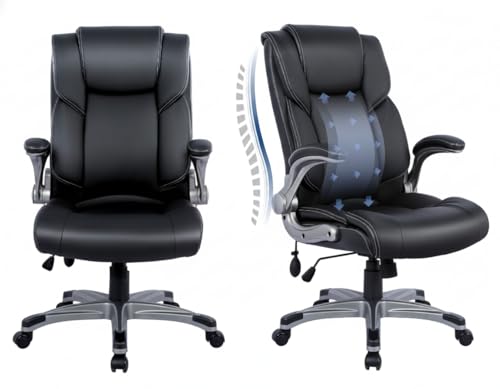
COLAMY Leather Executive Office Chair- High Back Home Computer Desk Chair with Padded Flip-up Arms, Adjustable Tilt Lock, Swivel Rolling Ergonomic Chair for Adult Working Study-Black, Set of 2
👍BONDED LEATHER CHAIR, DESIGN FOR THE COMFORT: Not all artificial leather is created equally. This executive desk chair…
As an affiliate, we earn on qualifying purchases.
As an affiliate, we earn on qualifying purchases.

ovios Ergonomic Office Chair, High Back Faux Leather Executive Chairs with Thick Cushion, Comfy Mid-Century Modern Swivel Rolling Computer Armchair (Brown, Suede Leather)
Mid-Century Modern Chair: This modern MCM office chair is made of high-quality faux leather fabric, unique retro and…
As an affiliate, we earn on qualifying purchases.
As an affiliate, we earn on qualifying purchases.