

TL;DR
The ECB’s Survey of Professional Forecasters for Q3 2026 shows expectations for inflation, GDP growth, and interest rates among experts. The results indicate cautious optimism amid ongoing economic uncertainties.
The European Central Bank (ECB) has published the Q3 2026 Survey of Professional Forecasters, revealing consensus forecasts on key economic indicators among financial and economic experts. The survey results are significant as they influence monetary policy decisions and market expectations amid ongoing economic uncertainties in the euro area.
The Survey of Professional Forecasters, conducted quarterly by the ECB, gathers insights from economists and analysts on inflation, gross domestic product (GDP) growth, and interest rates for the euro area. The latest results, published in October 2026, show that forecasters expect inflation to remain elevated but gradually decline over the next year, with an average forecast of 2.4% for the end of 2026. GDP growth projections for 2026 are modest, averaging around 1.2%, reflecting cautious optimism but acknowledging ongoing risks. Forecasters also anticipate that the ECB will maintain its current interest rate stance through the end of 2026, with some analysts suggesting a possible slight increase if inflation persists above target levels.
According to the survey, experts see inflation gradually easing due to ongoing supply chain improvements and moderating energy prices, but they remain wary of persistent inflationary pressures stemming from wage growth and fiscal policies. The consensus on interest rates indicates that monetary policy will likely stay restrictive until clear signs of inflation stabilization appear. The survey also highlights diverging views among forecasters on the pace of economic recovery, with some emphasizing risks from geopolitical tensions and inflationary shocks.
Implications for Euro Area Monetary Policy
The survey results suggest that ECB policymakers are likely to keep interest rates elevated through 2026, aiming to curb inflation without stifling growth. The cautious outlook reflects ongoing concerns about inflation persistence and external risks, which could influence future policy moves. For investors and markets, the survey provides guidance on the ECB’s likely trajectory, impacting bond yields, currency exchange rates, and financial stability considerations.

Trader Planner 2026: Daily Trading Journal, Risk Management Log & Market Review Notebook: Daily trade log, pre-market planning, risk tracking, … building system for consistent traders
As an affiliate, we earn on qualifying purchases.
As an affiliate, we earn on qualifying purchases.
Economic Conditions and Expectations in the Euro Area
The Q3 2026 Survey of Professional Forecasters reflects a period of ongoing economic adjustment in the euro area, marked by moderate growth and persistent inflation. Since the previous surveys, forecasters have adjusted their inflation forecasts slightly upward, citing energy prices and wage growth as key factors. The euro area’s recovery from the pandemic continues, but geopolitical tensions and supply chain disruptions remain concerns. The ECB has signaled a cautious approach, balancing inflation control with support for economic growth, which is mirrored in the survey responses.
Historically, the ECB has relied on such surveys to gauge market sentiment and inform policy decisions. The latest results align with recent ECB communications emphasizing vigilance on inflation and readiness to adjust interest rates if necessary.
“The outlook remains uncertain, but we are committed to ensuring inflation returns to our target in a sustainable manner.”
— European Central Bank President Christine Lagarde

Investing in U.S. Financial History: Understanding the Past to Forecast the Future
As an affiliate, we earn on qualifying purchases.
As an affiliate, we earn on qualifying purchases.
Factors That Could Alter Economic Forecasts
While the survey offers a consensus outlook, several factors could change the economic trajectory, including geopolitical developments, energy price fluctuations, and fiscal policy shifts. The forecasters themselves acknowledge that unexpected shocks or persistent inflation could lead to revisions in their forecasts, making the outlook subject to change.
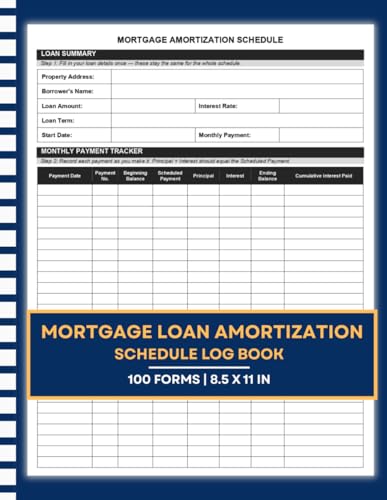
Mortgage Loan Amortization Schedule Log Book: Home Loan Payment Tracker for Principal, Interest & Balance | Monitor Your Payoff Progress | Borrower & Property Records | 100 Loan Logs | 8.5 x 11
As an affiliate, we earn on qualifying purchases.
As an affiliate, we earn on qualifying purchases.
Upcoming Data and Policy Announcements to Watch
Markets and policymakers will closely monitor upcoming economic data releases, including inflation figures, GDP growth, and employment reports. The ECB is expected to review its policy stance in the coming months, with decisions likely influenced by the latest survey insights. Further surveys and market indicators will help clarify whether inflation is on a sustainable downward path and if interest rates will remain elevated or change direction.
inflation prediction tools
As an affiliate, we earn on qualifying purchases.
As an affiliate, we earn on qualifying purchases.
Key Questions
What is the purpose of the ECB’s Survey of Professional Forecasters?
The survey gathers expert expectations on inflation, growth, and interest rates to inform monetary policy and market expectations in the euro area.
How do the forecasted inflation rates compare to the ECB’s target?
Forecasters expect inflation to be around 2.4% by the end of 2026, slightly above the ECB’s 2% target, indicating persistent inflationary pressures.
Will the ECB change interest rates soon based on these forecasts?
The survey suggests rates will likely stay restrictive through 2026, but any change depends on incoming data and inflation developments.
What risks could lead to a revision of these forecasts?
Unexpected geopolitical events, energy price swings, or fiscal policy changes could alter the economic outlook and forecasts.
Source: primary