Dutch auctions might seem complex at first, but they actually make perfect sense once you understand their benefits. They provide a transparent and fair way to set prices, reflecting real market demand. This process helps prevent overpricing and reduces volatility, making transactions more efficient. Their historical roots and systematic structure build trust, while their simplicity in starting high and decreasing makes participation easier. Keep exploring, and you’ll see how these auctions can work to your advantage.
Key Takeaways
- Dutch auctions provide transparent, fair pricing by reflecting current market demand, reducing manipulation and increasing trust.
- Their systematic process simplifies participation, eliminating guesswork and making them accessible to individual investors.
- Widely used globally in government and financial markets, demonstrating their practical efficiency across diverse contexts.
- The decreasing price mechanism ensures quick sales at fair market rates, aligning with real-time demand.
- Understanding their historical roots and design enhances investor confidence in their fairness and effectiveness.

Today, Dutch auctions are applied in diverse contexts, from government bond sales to online platforms. In the financial sector, for example, they’re often used when governments auction off securities, ensuring the issuance price reflects current market conditions. Instead of bidding against each other in a competitive manner, investors submit bids at different prices, and the auction begins at a high price, gradually decreasing until enough bids are matched. This process guarantees that the securities are sold efficiently at a fair market rate, preventing overpricing and reducing volatility. The global application of Dutch auctions illustrates their flexibility and practicality, especially in markets where transparency and speed matter. Additionally, their history demonstrates how their design has evolved to improve market efficiency and fairness over time. The transparency of the process can also help reduce market manipulation, making it a more trustworthy method for both issuers and investors. Moreover, market structure plays a crucial role in how these auctions are designed and utilized worldwide.
You might think that the complexity of a Dutch auction makes it less suitable for individual investors, but that’s a misconception. In fact, its straightforward approach—starting high and then decreasing until the demand is met—can be easier to understand than traditional bidding processes. It removes the guesswork of predicting competitors’ bids because the price is determined systematically. By participating in a Dutch auction, you gain a clear view of the current market demand, which can help you make more informed decisions. *Additionally,* understanding the historical origins of Dutch auctions can give you greater confidence in their fairness and effectiveness. Because the process is transparent and fast, it minimizes the risk of manipulation or last-minute surprises often found in competitive bidding.

Bitwarden Essentials: Een praktische gids voor wachtwoordbeveiliging (Persoonlijke veiligheid in een digitale wereld) (Dutch Edition)
As an affiliate, we earn on qualifying purchases.
As an affiliate, we earn on qualifying purchases.
Frequently Asked Questions
How Do Dutch Auctions Differ From Traditional Auction Methods?
Dutch auctions differ from traditional auctions because they start with a high price that decreases until a bidder accepts, unlike traditional methods where bids rise. Understanding the historical evolution of Dutch auctions reveals their efficiency in setting prices quickly. Your bidding strategies should focus on timing—accepting early if the price is fair or waiting for lower offers. This approach can maximize your chances of securing items at ideal prices.
What Are Common Industries Using Dutch Auctions Today?
You’ll find Dutch auctions commonly used in industries like finance, agriculture, and government securities. These markets leverage Dutch auctions to prevent market manipulation, ensuring fair pricing. Bidding strategies focus on timing and valuation, helping participants secure assets at ideal prices. By understanding these industries’ reliance on Dutch auctions, you realize how they promote transparency, efficiency, and fairness, making them a smart choice for both buyers and sellers seeking balanced, strategic transactions.
Are Dutch Auctions Suitable for Small Investors?
Dutch auctions can be suitable for small investors if you understand market timing and investor psychology. The auction’s descending price structure allows you to buy securities at potentially lower prices, which might appeal to your strategic timing. However, it’s essential to stay alert to emotional reactions and market trends. If you’re comfortable with these factors, Dutch auctions could offer an advantageous way to participate in certain offerings.
How Does Pricing Stability Work in Dutch Auction Processes?
Imagine a steady tide, gently holding its level—this is how pricing stability works in a Dutch auction. As the price drops with each bid, the process minimizes sudden price fluctuations, creating a predictable environment. Your bid strategy influences where you enter, helping lock in a fair price before the auction ends. This controlled descent keeps price stability intact, making it easier for you to plan and participate confidently.
What Are the Risks Involved in Participating in Dutch Auctions?
When participating in Dutch auctions, you face risks like limited market transparency, making it hard to gauge true value, and unpredictable bidder strategies that can drive prices higher or lower unexpectedly. You might also encounter intense competition, which could lead to overpaying or missing out. To manage these risks, stay informed about auction dynamics and carefully analyze bidding patterns, ensuring you don’t get caught off guard by sudden price shifts or strategic plays.
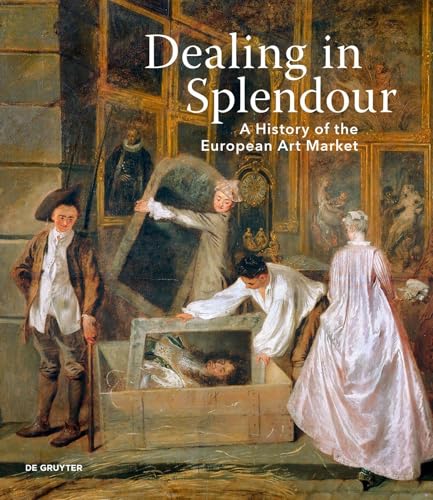
Dealing in splendour: A History of the European Art Market
As an affiliate, we earn on qualifying purchases.
As an affiliate, we earn on qualifying purchases.
Conclusion
So, next time you dismiss Dutch auctions as confusing or risky, remember they might just be the cleverest game in the market. While most investors cling to traditional methods, these auctions quietly strip away the pretenses, revealing true value. Ironically, it’s often the most misunderstood tool that offers the clearest insights—if you’re willing to see beyond the surface. Perhaps, the real lesson is that simplicity, masked as complexity, might be your best edge.
government bond Dutch auction
As an affiliate, we earn on qualifying purchases.
As an affiliate, we earn on qualifying purchases.
online Dutch auction platform
As an affiliate, we earn on qualifying purchases.
As an affiliate, we earn on qualifying purchases.