

High yields from Business Development Companies may seem tempting, but they often signal underlying risks when credit quality begins to slip. As credit quality deteriorates, default rates can rise, dividends may be cut, and share prices could fall sharply. Investor sentiment also shifts, increasing volatility and potential losses. Understanding these risks helps protect your investments, and staying alert to signs of declining credit quality will prepare you for what’s ahead. Keep an eye on the details to learn more.

Get smart everyday buys delivered free — and shop member deals
- Fast, free delivery on millions of items
- Access to Prime Big Deal Days deals on October 6–7
- Prime Video, Amazon Music and more included
Key Takeaways
- High BDC yields attract investors but often signal elevated risk, especially if credit quality deteriorates.
- Slipping credit quality leads to defaults, dividend cuts, and declining share prices, eroding initial gains.
- Market volatility and negative sentiment can cause sharp declines in BDC prices, regardless of fundamentals.
- Monitoring credit metrics and macroeconomic trends is essential to identify early warning signs of risk.
- Attractive yields become risky when rising default rates threaten income stability and capital preservation.
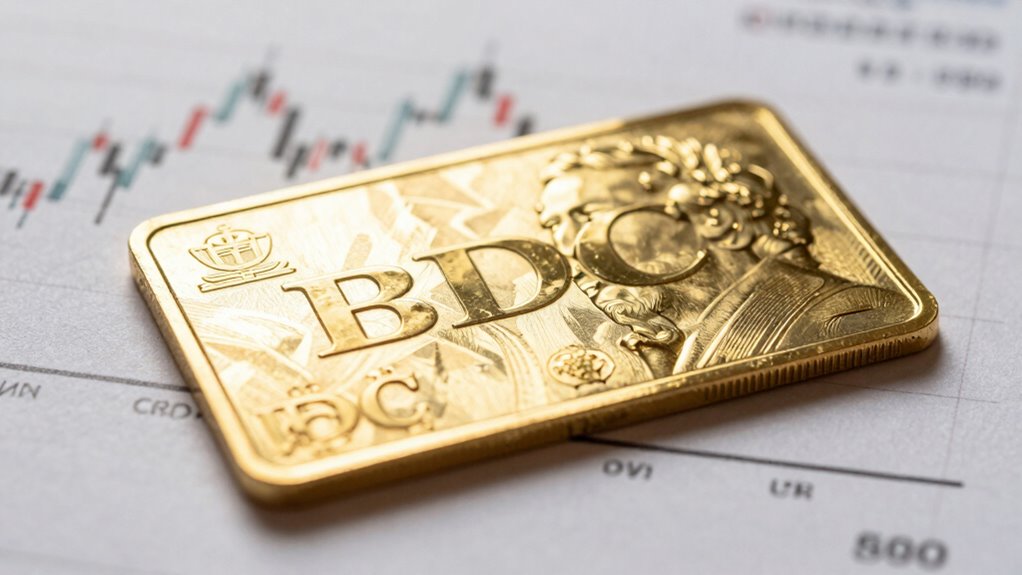
While Business Development Companies (BDCs) often attract investors with their tempting yields, those returns can quickly become risky if the underlying credit quality begins to decline. At first glance, BDCs seem like an attractive way to boost income, especially when market volatility makes other investments less appealing. Their high distributions are appealing, but you need to look beyond the surface. When credit quality slips, the risk of default increases, and what looked like a steady income stream can suddenly evaporate.
Market volatility plays a significant role in how BDCs perform, especially since their prices tend to fluctuate with broader economic conditions. During periods of heightened volatility, investor sentiment shifts quickly, often leading to sharp declines in BDC share prices. When investors start to worry about economic slowdown or rising defaults, they tend to pull out of high-yield investments like BDCs, further driving down prices. This creates a cycle where negative sentiment drives prices lower, even if the fundamentals haven’t deteriorated yet.
Market volatility causes rapid shifts in BDC prices, driven by investor sentiment and economic concerns, often before fundamentals decline.
Your focus should be on how investor sentiment influences the perceived safety of BDCs. When confidence wanes, even healthy companies within a BDC’s portfolio might be viewed with suspicion, prompting fears of potential defaults. This shift in sentiment can lead to a sell-off, which exacerbates the decline in share prices and increases the risk that the dividend payouts could be cut if credit conditions worsen. As the market reacts to news and macroeconomic indicators, the stability of BDCs can be tested, making it critical for you to monitor both their credit quality and overall market sentiment.
If the credit quality of BDC holdings declines, you’re likely to see increased default rates and a reduction in income distributions. When defaults rise, the BDC’s income shrinks, and it may have to cut dividends to preserve liquidity. This can trigger a further decline in share prices, especially if investor sentiment turns negative. It’s important to remember that high yields often reflect higher risk. When the underlying credit quality begins slipping, the initial allure of those generous payouts can turn into a trap, exposing you to significant losses. Additionally, understanding the importance of credit metrics can help you assess the true health of BDC investments.
In essence, while the high yields of BDCs can look irresistible during stable times, you need to stay alert to the signs of deteriorating credit quality and shifting market sentiment. Paying close attention to macroeconomic trends, credit metrics, and investor behavior can help you avoid the pitfalls that come with complacency. When credit quality slips, those tempting yields come with a much bigger risk, and it’s up to you to recognize when the risks outweigh the rewards. Recognizing market sentiment and its impact on BDCs can be crucial for making informed investment decisions.
Business Development Company BDC investment guide
As an affiliate, we earn on qualifying purchases.
As an affiliate, we earn on qualifying purchases.
Frequently Asked Questions
How Do BDC Yields Compare to Other High-Yield Investments?
You find BDC yields appealing compared to other high-yield investments because they often offer higher returns. However, you should consider market liquidity and the regulatory environment, which can impact these yields. When credit quality slips, yields might seem attractive, but the risks increase. So, while BDCs can be lucrative, stay cautious about potential liquidity issues and evolving regulations that could affect your investment’s safety and income.
What Specific Credit Metrics Indicate Declining Credit Quality?
You should watch the credit spread widening, which signals higher risk and declining credit quality. Additionally, pay attention to debt coverage ratios; if they weaken, it indicates borrowers might struggle to meet debt obligations. Rising credit spreads and falling debt coverage ratios are clear signs that credit quality is slipping, making riskier investments, like BDCs, less attractive despite their tempting yields.
How Quickly Can Credit Quality Deterioration Impact Returns?
You might think your returns are safe, but a sudden credit decline can hit fast, like a surprise plot twist. Once credit quality slips, the yield impact happens swiftly—within months, or even weeks. Your investments can plummet as default risks rise, making those tempting yields suddenly look less attractive. So, brace yourself; deterioration doesn’t wait, and your gains can vanish just as quickly as they appeared.
Are There Risk Mitigation Strategies for Investing in BDCS?
Yes, you can mitigate risks when investing in BDCs by diversifying across multiple sectors and asset types, reducing exposure to any single credit issue. Additionally, pay attention to management oversight; choose BDCs with experienced, transparent management teams that actively monitor credit quality. These strategies help protect your investments from potential credit deterioration, ensuring you maintain steadier returns even if some loans face challenges.
Which Sectors Are Most Vulnerable to Credit Quality Slipping?
If you imagine a BDC heavily invested in retail, you can see how sector vulnerability impacts credit. Retail faces risks from shifting consumer habits and economic downturns, making it susceptible when credit rating trends decline. Sector diversification helps mitigate this, spreading risk across industries, but staying alert to warning signs of slipping credit quality is crucial. Always monitor sector-specific risks and adjust your investments accordingly to protect your portfolio.
As an affiliate, we earn on qualifying purchases.
Conclusion
As you chase those dazzling BDC yields, remember they’re like a tempting mirage in a desert. Beneath the shimmering surface, slipping credit quality can turn that oasis into a mirage, leaving you stranded in the scorching heat of risk. Stay vigilant, keep your eyes on the horizon, and don’t let the siren’s song of high returns lure you into treacherous waters. Sometimes, the safest shore is knowing when to hold back and steer clear.
As an affiliate, we earn on qualifying purchases.
financial analysis software for BDCs
As an affiliate, we earn on qualifying purchases.
As an affiliate, we earn on qualifying purchases.
Fall Picks
fall essentials
As an affiliate, we earn on qualifying purchases.