

To identify reshoring winners, you need to understand supply-chain logic beyond just costs. Look at how companies balance risk, flexibility, and long-term stability instead of focusing solely on cheap labor. Reshoring isn’t just about saving money but creating resilient, responsive operations. By considering interconnected factors like location, logistics, and geopolitical risks, you’ll see who truly benefits. Keep exploring, and you’ll uncover the hidden factors shaping successful reshoring strategies.
Listen free for 30 days with Audible
Thousands of audiobooks and originals — cancel anytime.
As an affiliate, we earn on qualifying purchases.
Key Takeaways
- Reshoring success depends on understanding interconnected supply chain factors beyond just cost savings.
- Holistic evaluation of location, risk, and logistics is essential for identifying true winners.
- Reshoring benefits include resilience, agility, and reduced lead times, not solely lower expenses.
- Diversifying manufacturing regions mitigates geopolitical and pandemic risks, enhancing resilience.
- Long-term stability and flexibility are critical indicators of reshoring winners, not immediate cost advantages.
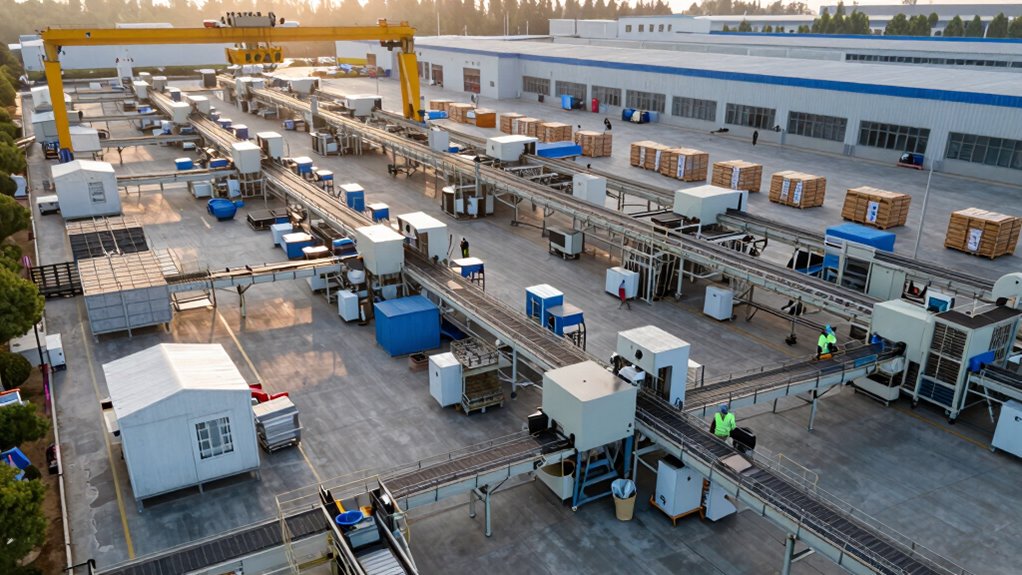
As companies reconsider their manufacturing strategies, reshoring has emerged as a clear winner, driven by supply chain vulnerabilities and shifting economic factors. You might assume that the biggest reshoring winners are those with the lowest production costs, but that’s only part of the story. To truly understand who benefits from reshoring, you need to look beyond simple cost calculations and focus on the supply-chain logic that underpins these decisions. One key aspect is global diversification. Companies are spreading their manufacturing footprint across multiple regions to reduce reliance on any single supply source. This diversification strategy helps mitigate risks associated with geopolitical tensions, trade tariffs, or pandemic disruptions that threaten to halt production. Reshoring becomes a strategic move, not just a cost-saving tactic, when it’s part of a broader effort to create a resilient, flexible supply chain that can adapt to unpredictable global events.
Cost optimization remains central, but it’s not just about finding the cheapest labor or materials. Instead, you’re balancing costs against risks and lead times. When you bring manufacturing closer to your core markets, you reduce transportation costs and delivery times, which can offset higher wages or operational expenses. This is especially true when supply chain disruptions cause delays or increase costs unexpectedly. Reshoring allows you to tighten control over production schedules, quality, and inventory, which can lead to overall cost savings that aren’t immediately visible in raw labor rates. It’s a strategic repositioning—viewing costs through a wider lens that includes inventory holding, lead times, and the risk of supply interruptions. Understanding supply chain resilience is crucial to making informed reshoring decisions in today’s unpredictable global environment.
The winners in reshoring are those who understand the importance of supply-chain logic—the interconnected factors that influence manufacturing success. They’re not just chasing the lowest upfront costs but are optimizing for agility, resilience, and long-term stability. By embracing global diversification, these companies avoid putting all their eggs in one regional basket, reducing exposure to regional crises. Simultaneously, they focus on cost optimization in a holistic way, considering not only direct expenses but also the broader economic and logistical impacts. The most successful reshoring efforts are driven by a clear understanding that supply chains are complex systems, where decisions about location, risk, and costs must be made in concert. If you follow this logic, the true winners of reshoring become evident—those who see beyond the surface and craft supply chains that are both cost-effective and resilient in an uncertain world.
resilient supply chain management tools
As an affiliate, we earn on qualifying purchases.
As an affiliate, we earn on qualifying purchases.
Frequently Asked Questions
How Do Geopolitical Factors Influence Reshoring Decisions?
Geopolitical factors heavily influence your reshoring decisions by impacting global stability and trade policies. When political tensions rise or trade barriers increase, you may find it more viable to bring manufacturing closer home to reduce risks and guarantee supply chain resilience. Conversely, stable international relations and favorable trade agreements make offshoring attractive. Staying attentive to geopolitical shifts helps you adapt your strategy, safeguarding your operations against unpredictable disruptions.
What Role Does Technology Play in Supply-Chain Optimization?
Technology plays a vital role in supply-chain optimization by enhancing inventory management and leveraging data analytics. You can track stock levels in real-time, reducing excess inventory and preventing shortages. Data analytics helps you identify patterns, forecast demand, and make smarter decisions. By adopting these technologies, you streamline operations, improve efficiency, and respond swiftly to changes, giving you a competitive edge in reshoring efforts and ensuring a more resilient supply chain.
How Do Labor Costs Impact Reshoring Strategies?
A penny saved is a penny earned, so you realize labor costs profoundly influence reshoring strategies. You compare wage differentials between domestic and offshore locations, understanding that rising wages abroad may tip the balance in favor of reshoring. When labor costs increase overseas, the economic advantage diminishes, making reshoring more appealing. You weigh these factors carefully, knowing that shifting wage dynamics directly impact your decision to bring manufacturing back home.
What Are Common Challenges Faced During Reshoring Implementation?
You’ll face challenges like rebuilding supplier relationships and managing inventory efficiently. Strengthening supplier partnerships takes time and trust, which can delay your plans. Meanwhile, reshoring often disrupts inventory management, requiring you to optimize stock levels and logistics. Unexpected delays, quality issues, or cost overruns can also arise. Staying flexible, communicating clearly, and planning meticulously help you overcome these hurdles and make your reshoring effort successful.
How Can Companies Measure Reshoring Success Effectively?
You can measure reshoring success by conducting a thorough cost benefit analysis and risk assessment. Track financial metrics like savings from reduced logistics costs and improved quality. Monitor supply chain resilience and flexibility to evaluate risk mitigation. Regularly compare projected versus actual outcomes, and gather feedback from stakeholders. This combined approach helps you identify tangible benefits and potential vulnerabilities, ensuring you accurately assess whether reshoring delivers the strategic value you aimed for.
manufacturing risk mitigation equipment
As an affiliate, we earn on qualifying purchases.
As an affiliate, we earn on qualifying purchases.
Conclusion
So, as you observe the reshoring trends, remember that the winners often emerge subtly, guided by supply-chain logic rather than headline-grabbing moves. Coincidences, like a sudden shift in supplier costs or unexpected geopolitical changes, can tip the balance. Stay attentive to these nuances, because what seems coincidental today might reveal itself as a strategic shift tomorrow. In this intricate dance, the true reshoring winners quietly align with the underlying logic you’re learning to recognize.
inventory management software for global supply chains
As an affiliate, we earn on qualifying purchases.
As an affiliate, we earn on qualifying purchases.
logistics and transportation optimization tools
As an affiliate, we earn on qualifying purchases.
As an affiliate, we earn on qualifying purchases.
Flea & tick season Picks
flea and tick prevention
As an affiliate, we earn on qualifying purchases.